

Emergency Water Damage Denver demands swift action for minimal property loss. Key steps include damage assessment, proactive plumbing inspections, and immediate 24/7 emergency services using advanced water extraction techniques. Structural repair, mold prevention, and proper humidity control are crucial post-extraction. Prevention strategies like regular maintenance, flood protection devices, and disaster cleanup planning reduce the impact of Emergency Water Damage Denver. Costs can vary widely, emphasizing the importance of choosing certified, reputable service providers for effective, efficient restoration.
In the dynamic landscape of urban emergencies, water damage poses a significant threat to properties and communities in Denver. Emergency Water Damage Denver is not merely an issue; it’s a critical challenge that demands prompt, efficient, and authoritative solutions. With rapid climate change and increasingly severe weather events, the need for robust water extraction strategies is more pressing than ever. This article delves into the intricate world of emergency water extraction, exploring cutting-edge techniques and highlighting the expertise required to mitigate damage swiftly and effectively in Denver’s unique context.
- Understanding Emergency Water Damage Denver
- Immediate Steps After Flooding in Denver
- Local Resources for Water Extraction Services
- The Science Behind Effective Water Damage Restoration
- Preventive Measures to Mitigate Emergency Water Damage
Understanding Emergency Water Damage Denver
Emergency Water Damage Denver is a critical issue faced by many homeowners, with potential for significant property loss and costly repairs. Understanding the intricacies of this situation is paramount to effective mitigation and prevention. When water intrudes into homes, whether from burst pipes, leaks, or natural disasters, swift action is essential. Delving into the process of emergency water extraction in Denver reveals a systematic approach that combines expertise and advanced technology.
The first step in addressing Emergency Water Damage Denver is assessing the extent of the problem. This involves not only identifying the source but also evaluating the amount of water involved. Homeowners should look for signs like discolored walls, sagging ceilings, or musty odors, which can indicate hidden water damage. For instance, a recent study by the Insurance Institute for Business & Home Safety found that water damage is one of the most common causes of home insurance claims, with an average cost per claim exceeding $10,000. Prompt recognition and reporting are key to minimizing these costs.
Expert advice emphasizes how to stop water damage in Denver homes through proactive measures. These include regular inspection and maintenance of plumbing systems, installation of moisture barriers, and ensuring proper ventilation. When Emergency Water Damage does occur, Denver’s top emergency plumbing services offer 24/7 response with advanced water extraction techniques. This involves using specialized equipment like powerful pumps and drying systems to remove standing water and reduce humidity levels. For example, professional water damaged ceiling repair experts can replace affected materials, ensuring the structural integrity of the home while preventing mold growth.
In conclusion, managing Emergency Water Damage Denver requires a multi-faceted approach. Homeowners should be vigilant in prevention, while turning to expert plumbing and restoration services for swift and effective solutions. Regular maintenance and immediate action upon detection are cornerstones of protecting one’s investment against water damage.
Immediate Steps After Flooding in Denver

After a flood strikes Denver, immediate action is crucial to mitigate damage and prevent further complications. The first step for any homeowner or business owner in Emergency Water Damage Denver is to ensure everyone’s safety and secure the premises from potential hazards. This includes shutting off electrical power at the main breaker box and turning off gas supplies to avoid fire risks. Once the immediate danger has passed, the focus shifts to extracting standing water and drying out affected areas as quickly as possible.
Professional Denver flood damage cleanup specialists equipped with advanced water extraction equipment are best suited for this task. They employ high-efficiency pumps and vacuums to remove excess water from flooded spaces, including hard-to-reach areas like crawl spaces and attics. Efficient water extraction is vital to prevent mold growth, which can begin within 24 to 48 hours, according to the Environmental Protection Agency (EPA). After extracting the water, specialized drying techniques are employed using industrial-strength fans and dehumidifiers to reduce humidity levels and speed up the drying process. This step is critical in preserving water-damaged furniture and other valuable items in Denver homes and businesses.
Estimating water damage restoration cost estimates in Denver can vary widely depending on the extent of the flooding, property size, and specific items affected. On average, costs can range from $10,000 to $30,000 or more for extensive repairs. To minimize expenses, it’s essential to document damage with photographs and keep records of repair estimates. Many insurance providers offer emergency assistance lines to help policyholders navigate the claims process during these challenging times. Homeowners should also consider having their insurance agent review their policy to understand coverage limits and deductibles for water damage restoration in Denver.
Local Resources for Water Extraction Services
When faced with emergency water damage in Denver, timely access to reliable water extraction services is paramount. The city’s unpredictable weather patterns can lead to sudden floods, pipe bursts, or other water-related disasters, necessitating swift action. Fortunately, Denver boasts a robust network of professional water damage cleanup services ready to assist residents and businesses.
Locating suitable water extraction resources in Denver involves understanding the unique challenges posed by the region’s climate and geography. Many reputable companies specialize in safe water removal techniques, ensuring minimal disruption and efficient restoration. These professionals employ advanced equipment and follow strict protocols for handling water damage, from initial assessment to complete cleanup and restoration. A key aspect of their expertise lies in how to file a water damage claim with your insurance in Denver, guiding clients through the process to ensure smooth reimbursement for covered damages.
Choosing the right service provider is crucial for effective recovery. It’s recommended to research companies that offer 24/7 emergency response, as quick action can significantly reduce repair costs and minimize structural damage. Additionally, look for firms certified by recognized industry bodies, ensuring they adhere to stringent standards in water removal techniques and restoration practices. For instance, the Institute of Inspection, Cleaning and Restoration Certification (IICRC) sets benchmarks for professionalism and expertise in the field. By selecting a Denver water damage cleanup service with these qualifications, property owners can have confidence in the safety and efficacy of their operations.
The Science Behind Effective Water Damage Restoration
Water damage restoration is a complex science requiring expert knowledge and specialized equipment to ensure effective recovery after an emergency in Denver. The process involves multiple stages, each critical to minimizing the impact of water on structures and personal belongings. In the case of Emergency Water Damage Denver, the first step is assessing the extent of the damage. This includes identifying the source—be it a burst pipe, leaky roof, or sewage backup—as it dictates the type of restoration needed. For instance, sewage cleanup Denver requires immediate action to prevent health hazards and widespread contamination.
Once the assessment is complete, the primary focus shifts to drying out water-damaged areas and items. This involves strategic placement of high-capacity dehumidifiers and air movers to extract moisture from walls, floors, and furniture. Proper drying techniques are essential to inhibit mold growth, a common secondary damage that can compromise indoor air quality. According to industry standards, relative humidity levels should be maintained below 60% for at least 48 hours after water extraction.
After the area is thoroughly dried, expert technicians address any visible water stains and begin the process of Mold Removal Denver. This involves specialized cleaning solutions and equipment designed to decontaminate surfaces affected by mold spores. It’s crucial to note that hidden mold growth can be just as harmful as visible colonies, necessitating a thorough inspection during the restoration process. Following these scientific principles ensures not only the structural integrity of properties in Emergency Water Damage Denver scenarios but also the safety and well-being of residents.
Preventive Measures to Mitigate Emergency Water Damage
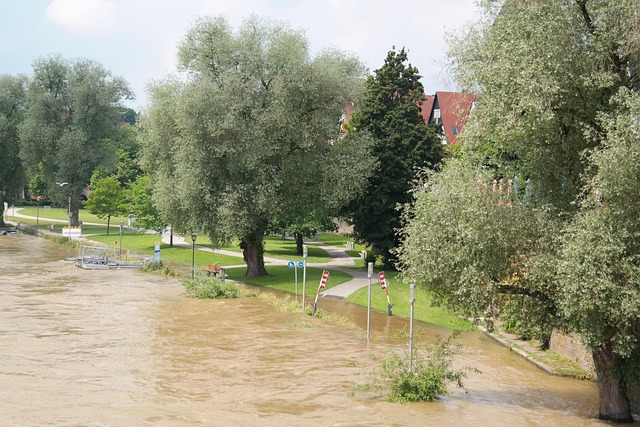
Preventing emergency water damage is a critical aspect of home and business ownership in Denver, where rapid climate changes and unpredictable weather patterns can lead to severe flooding. While immediate response is crucial for mitigating losses, proactive measures significantly reduce the extent of potential disaster. Water damage restoration experts Denver residents trust emphasize that understanding common causes of emergency water damage is the first step towards prevention. These include burst pipes, leaky roofs, and heavy rainfall events, often exacerbated by aging infrastructure or poor drainage systems.
Regular maintenance plays a pivotal role in preventing such disasters. Homeowners should schedule routine inspections for plumbing, especially during colder months to avoid frozen pipes. Promptly addressing leaks, no matter how minor, can forestall significant water damage over time. Similarly, ensuring proper ventilation and maintaining gutters clear of debris are essential preventive steps. For businesses, regular disaster cleanup and restoration planning, including backup power systems and secure storage for critical documents, can minimize downtime and financial losses in the event of emergency water damage Denver might experience.
Fire Damage Restoration Denver and Disaster Cleanup and Restoration Denver services often encounter situations where proactive measures would have significantly mitigated losses. Investing in flood protection devices, such as water shut-off valves and surge protectors, can activate immediately upon detection of water intrusion. Additionally, having a well-stocked emergency kit with essential supplies, including water damage restoration materials, enables swift action during critical times. By adopting these preventive measures, Denver residents and businesses can better safeguard their properties from the devastating impacts of emergency water damage.
In addressing Emergency Water Damage Denver, this article offers a comprehensive guide that equips readers with crucial knowledge and practical steps. Key insights include immediate action after flooding, leveraging local resources for expert water extraction services, understanding the science behind effective restoration, and implementing preventive measures to mitigate future damage. By synthesizing these learnings, residents and businesses can swiftly navigate emergencies, restore their properties efficiently, and protect against potential losses. The article’s authority on Emergency Water Damage Denver underscores its value as a reliable resource for proactive management and swift response.